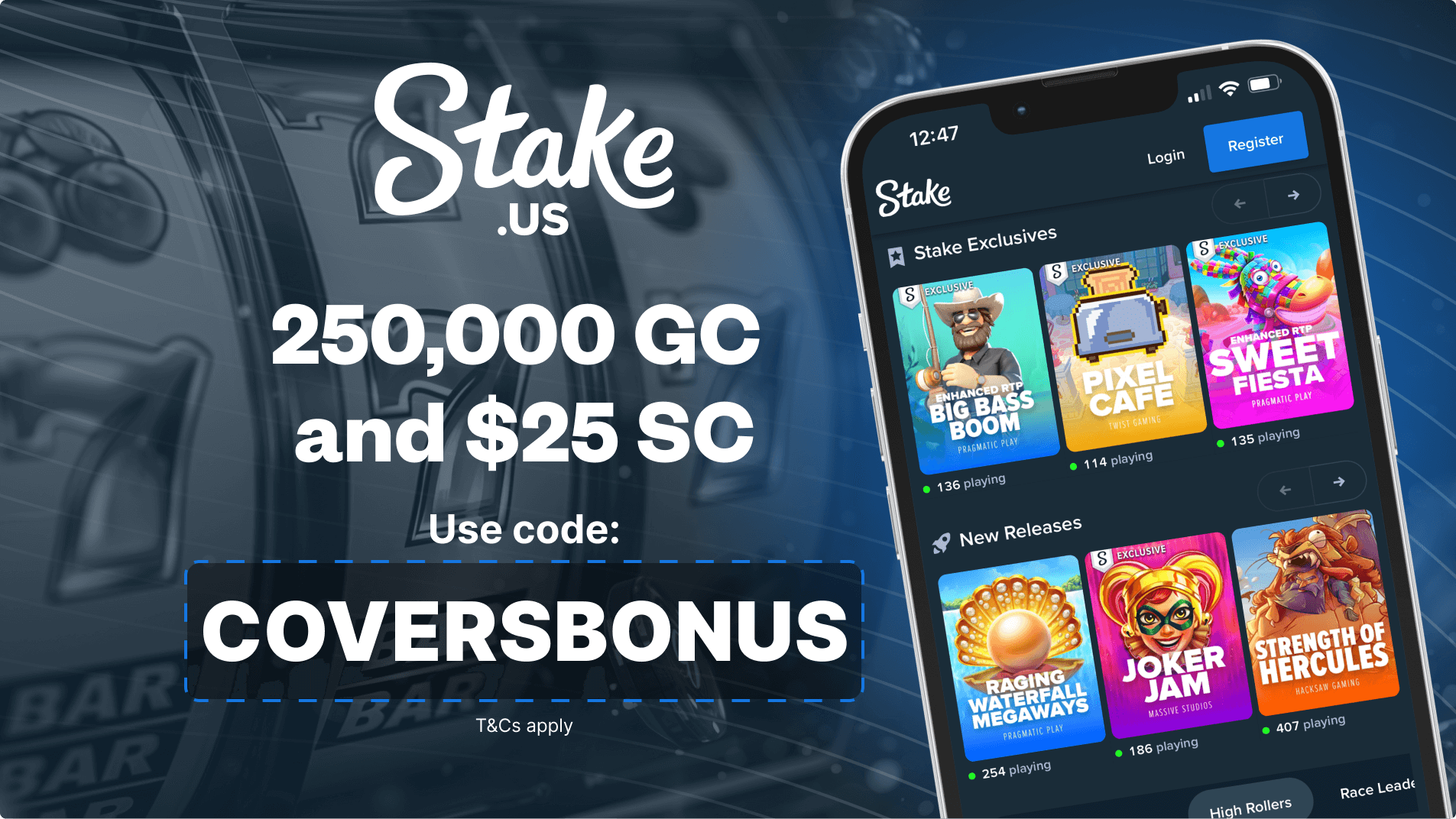
I review online casinos, and I aimed to look into something most players overlook: the rules about taking screenshots. Players often capture images of big wins or funny game moments, but who actually reads the small print? I established a test account with Stake Casino, which functions under a Curacao license, to dissect its official rules and how it implements them around screenshots. My goal was to verify how straightforward these policies are for a regular user, especially someone from the UK where Stake functions in a legal gray zone. This is a review of documents and live chat tests, not an endorsement to play.
How Screenshot Policies Actually Matter
Rules about recording your screen might sound minor. But they show you a lot about how a casino functions. Screenshots are your strongest proof if a win vanishes, you hit a jackpot, or a game glitches. What the casino permits determines your ability to check your own history. A ambiguous or strict policy undermines your position, transforming disputes into arguments without evidence. For UK users on an globally licensed site like Stake, this obscurity is a larger problem. Local bodies like the UKGC presumably can’t help you, so you’re leaning entirely on the casino’s own rules being fair.
A Player’s Need for Documentation
This isn’t just about showing off. A screenshot is a timestamp, concrete proof of what was on your screen at that second. If a game crashes in a bonus round or your balance doesn’t change, that picture is your main defense. Without it, you’re asking the casino to review its own private logs. A clear policy that freely lets you assemble evidence for disputes is a good sign. It indicates the platform trusts its own games and systems enough to be held accountable to a player’s own records.
The Casino’s Perspective on Security
Casinos have genuine worries. They want to prevent fraud, like people editing images to fake wins and cheat support. They might also want to safeguard game artwork and their interface design. The real test is how they weigh these security needs with a player’s right to maintain records. A fair policy distinguishes bad-faith manipulation from authentic documentation. The wording in the Terms and Conditions indicates you how much a casino counts on its users and its own technology.
Tracking down Stake’s Official Rules on Screenshots
My inquiry started where it should: in the official rules. I scoured Stake‘s Terms and Conditions, Bonus Terms, and Game Rules. It was a typical drill with online casinos, a thicket of legal text. I used my browser to find “screenshot,” “recording,” “evidence,” and “image.” I didn’t find much. The references were not in one place. Some casinos have a clear “Fair Play” page for this. Stake buries the relevant bits inside broader sections, so a casual player would not spot them.
This disorganized approach is the first transparency shortcoming. Someone with a problem isn’t going to read thousands of words of legalese. The most obvious mention I found wasn’t about general use, but about cheating promotions with faked images. For everyday play, the rules are just hinted at through clauses about not “interfering” with the service. Not having a plain upfront statement is a real shortcoming. It obliges players to decode lawyer language instead of giving them simple guidelines.
My Personal Test with Customer Support
Text is one thing, real people are another. I jumped into Stake’s 24/7 live chat. I raised a direct, hypothetical question: “Am I permitted to take screenshots of my game wins or my balance for my own records?” The agent answered fast and was friendly, saying it’s generally acceptable for personal use. But when I inquired about specifics, like if it’s ever banned or if sharing shots online violates the rules, the answers turned unclear. I was told to check the Terms of Service for “detailed information.”
Evaluating the Support Response Quality
That chat revealed a common industry habit. Front-line support agents aren’t specialists on every minor policy. Their general “yes” for personal use feels good, but their quick retreat to the TOS when challenged indicates the limits of their training. For a UK user, this vagueness matters. It means something as simple as posting a win screenshot to a forum could, in theory, get you in trouble under a vaguely worded rule. Without a clear answer from support, you’re left wondering and assuming the risk.
My test proved the day-to-day reality is more flexible than the strict terms might imply. But depending on unspoken permission instead of written consent is a transparency flaw. If a dispute arose, the casino could reference some vague clause about “platform integrity” to invalidate your screenshot evidence. That power imbalance remains because the policy isn’t clearly defined from the start.
Contrasting to UK-Authorized Operator Standards
Stake lacks a UK Gambling Commission license, but contrasting the two is beneficial for UK players. A UKGC-licensed casino is required to follow stringent rules on fairness and transparency. Every term undergoes regulatory scrutiny. From my time on those sites, their rules on maintaining evidence are far clearer. They frequently explicitly say you are entitled to record your game sessions and transactions. The regulator insists that any limit on this needs to be reasonable and justified.
The difference is obvious. Stake’s indirect, buried policy has no comparable regulatory backbone. A Curacao license doesn’t require this level of clarity. This isn’t to say Stake bans screenshots; my test indicates they do not. It implies the formal transparency and focus on user rights, which a UK player could take for granted, isn’t guaranteed here. The policy operates in a space of discretion, not firm rules.
Possible Dangers for UK Players
The real danger isn’t getting banned for snapping a picture. It’s dealing with inconsistent enforcement and holding a weak hand if an issue arises. Imagine you utilize a screenshot to claim a game shortchanged you. Stake will examine its internal logs. If their logs fail to align with your image, your evidence has little official standing because the rules did not explicitly permit you to produce it. Your case then relies on their goodwill.
The uncertainty also covers distributing screenshots on social media or review sites. Terms often include broad rules against “hurting the brand’s standing.” A unfavorable post with a screenshot could be interpreted differently under a ambiguous policy than under a clear one. For a UK resident using an offshore site, your options for outside help are restricted. That makes possessing crystal-clear rules from the operator itself even more important.
Recommendations for Stake and Comparable Platforms
Stake would be able to address this transparency issue simply. It should introduce a specific “Fair Play” or “Player Protection” area. This page would outline what users can document, how to use that proof with customer service, and any concrete restrictions, like banning automated recording tools that could cheat. This adjustment would be free and generate a lot of trust. It creates clear expectations for everyone, cutting down on future arguments and preserving support time.
Support staff also require a proper internal manual on this topic, so they can give reliable, assured replies. For sites with users in places like the UK that value consumer rights, this openness is a advantage. It shows regard for the player’s capability to manage their own interaction and proves the platform operates honestly, which can distinguish it from the rivals.
Ultimate Verdict on Transparency
My evaluation shows Stake Casino’s screenshot policy is flexible but officially unclear. In truth, you most likely won’t have issues taking a picture for personal use. But the truth you won’t find a explicit, unambiguous right to do so in their written terms is a transparency shortcoming. It creates a subtle imbalance where the rules are ambiguous, not fixed. For a UK player familiar with regulated environments, this is a certain weak spot.
Stake operates fine for the majority of people who never consider these policies. True transparency is about protecting the few who run into problems. On that score, Stake’s approach is acceptable, not excellent. The policy resides in the shadows of the Terms, leaning on informal nods from support instead of strong, player-first clarity. As the market develops, the best platforms will highlight these gray areas. Right now, Stake has some work to do.
Bài Viết Liên Quan

Explore the strain and sorts to find the best Paysafe gambling enterprise for your requirements
For those who have particular requirements about what your dream Paysafecard local casino will be promote or even be for example, our very own state-of-the-art filter systems and you may forms can help you optimize the fresh new a number ...
Dosage des Compléments ECA Biaxol : Guide Pratique
Introduction Les compléments alimentaires sont devenus des alliés incontournables pour ceux qui cherchent à optimiser leur santé et leurs performances. Parmi eux, les compléments ECA Biaxol occupent une place de choix grâce à leur formulation ciblée visant la perte de poids ...
Online Casinos Schweizerische eidgenossenschaft 2026 im grossen Slot Harle Queen Online Vergleich
ContentDie 7 diskretesten Kriterien für jedes Kasino Spiele über Echtgeld: Slot Harle Queen OnlineKlettern Eltern qua unseren Sportwetten-Optionen in das Durchgang ihr Nach diese Zahlung via der Personal identification number & Transaktionsnummer veranlasst werde, ist unser Zahlung in Echtzeit auf welches ...
Rotiri gratuite cu depunere sau mai degraba decat cerin?e din cauza pariere
In unele cazuri, ca?tigurile ob?inute off gyrate gratuite in loc de depunere 2024 pot fi retrase imediat, fara a fi necesara indeplinirea tambur unor specific necesita de Pariuri. Twisting gratuite ca parte a unui pachet din get Loturi cazinouri bazate pe web ...