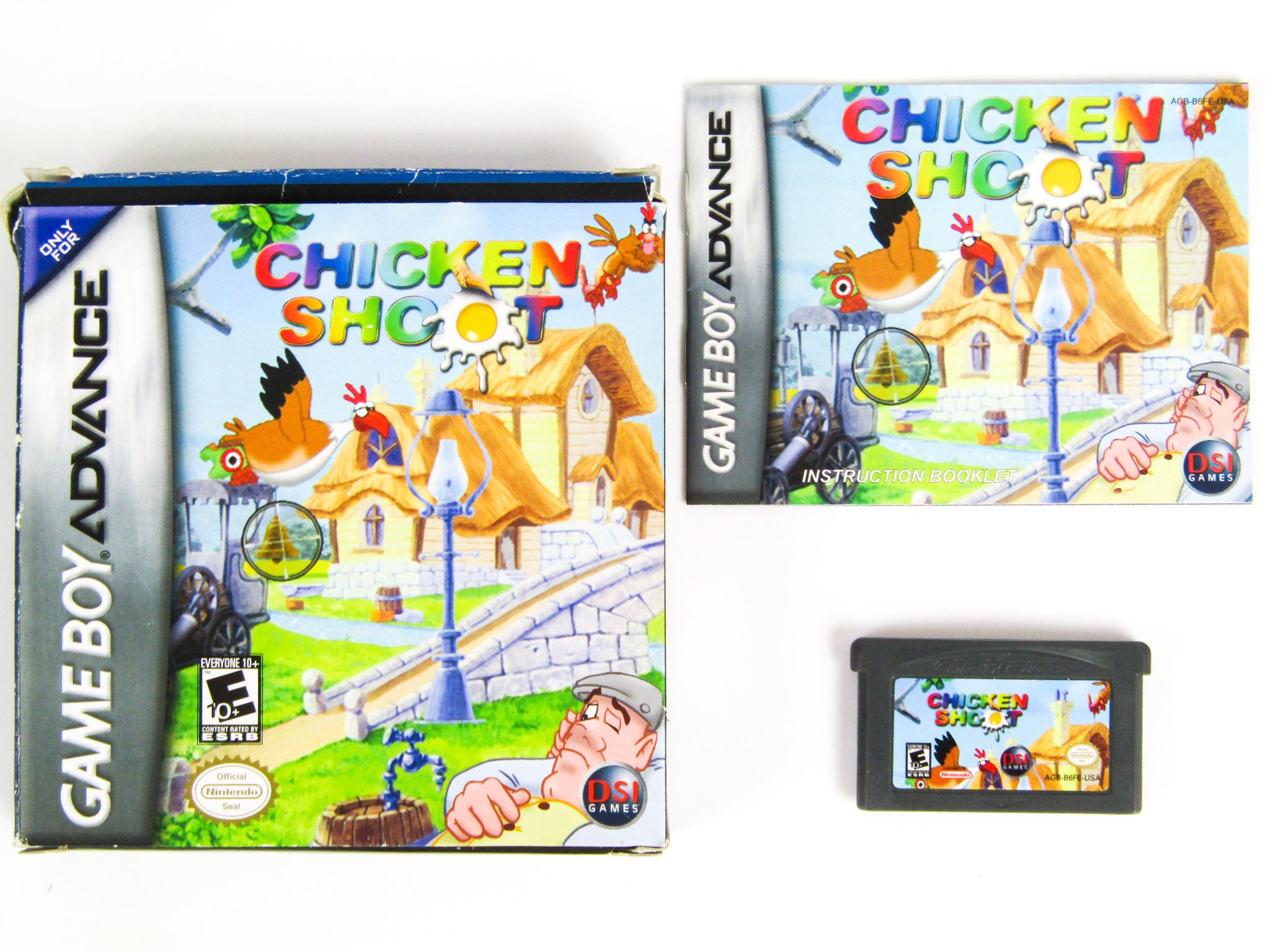
Chicken Shoot Game has established a solid niche for UK gamers who enjoy arcade action. The idea is clear: shoot targets, grab rewards. It’s an compelling loop. But many players, newcomers especially, walk right into the same old pitfalls. These errors can empty your virtual bullet belt in no time and set a hard ceiling on your scores. Identifying and sidestepping these traps is what turns a frustrating session into a productive one, where you actually get somewhere.
Skipping the Paytable and Game Rules
Diving in without reading the manual is a rookie move. Every game like Chicken Shoot runs on a defined set of rules, with a paytable that spells out what each target is worth. Your first job as a UK player is to locate this info and review it. It tells you which chickens offer the highest payouts, what the wild or bonus symbols actually do, and explains any special modes. This is your basic training. Skip it, and you’re just firing blindly, missing any chance for a solid strategy.
Why the Paytable is Your Best Friend
Consider the paytable as the game’s manual. It provides you with the exact conditions for triggering bonus rounds, typically by collecting certain items or getting scatter symbols. You may find out, for example, that hitting three golden eggs in one round is what unlocks the free shoots feature. With that information, you can adjust your focus during play. You stop firing at everything and focus for the targets that build toward these big events. Every shot has intent, guiding you toward the game’s top prizes.
Rule Changes on Different Platforms
Savvy UK players should also watch for small discrepancies between platforms or casinos. The essence of Chicken Shoot stays the same, but the particulars—like how many scatters you need for a bonus or the size of a multiplier—might shift. Taking thirty seconds to examine the rules on your particular platform guarantees your tactics match. This small effort is what distinguishes a random player from a tactical player. It prevents you from making a wrong decision when it counts the most.
Missing Bonus Features and Key Symbols
Ignoring the game’s special features is like owning a power drill and employing it as a paperweight. Chicken Shoot isn’t only about hitting ordinary chickens. It’s packed with special symbols like wilds, multipliers, and bonus triggers. A huge mistake is seeing these as just another target without understanding what they can do. A wild symbol might substitute for others to complete a high-value combo. A multiplier could boost or even amplify the win from a single shot.
The Impact of Specific Bonuses
The bonus round is where the jackpots are found. This is often a free shoots feature or a pick-and-win game. Players who never learn how to unlock it—often by gathering specific items or getting scatter symbols—are missing the whole point. During these features, ammo is generally unlimited or is refilled, letting you shoot without worry. Determining which targets to focus on to trigger these rounds should be the heart of any good strategy. It’s the distinction between a decent session and a fantastic one.
Bad Resource and Ammo Control
There is nothing worse than squeezing the trigger and experiencing a empty click at the perfect moment. In Chicken Shoot, your ammo is all you have. Mismanage it, and you will face the game over screen much too frequently. The usual mistake is the “spray and pray” method, blasting away at every single target that pops up. This burns through shots on low-value chickens and leaves you with nothing when a high-value flock or a bonus symbol at last drifts into view.
You must conserve ammo with a bit of strategy. That involves pacing your shots and demonstrating a little discipline. Let the low-value targets slide if they aren’t part of a bigger combo or if your bullet count is dwindling. The objective is to keep enough in the chamber so you can capitalize on the golden chances. It’s like managing your weekly budget. You would not blow it all on cheap snacks if you realized a proper meal was ahead.
Hunting Losses with Higher Bets
This is a risky habit you notice in all sorts of games, and it’s a real danger in the UK’s busy gaming scene. After a run of bad luck or small returns, a player might raise their bet size on a whim, wishing the next win will wipe out all the previous losses. For a game like Chicken Shoot, which runs on a Random Number Generator (RNG), this logic doesn’t hold. The game doesn’t track what happened last round. Placing a bigger bet doesn’t render a win more likely.
This can spiral fast, transforming a fun bit of play into something tense and unpleasant. The more effective, more responsible approach is to set a clear loss limit before you even start the game. Choose a bet size that matches your session budget and maintain it steady. Wins and losses will vary, but chasing losses just increases more risk. Good bankroll management keeps you playing longer and preserves the whole experience enjoyable.
Confusion about Volatility and Prize Timing
Arcade-style games like this one vary, and “volatility” is a key idea to get. A frequent mistake is hoping for a constant flow of minor payouts from a high variance game like Chicken Shoot usually is. High volatility means prizes can be less regular, but they are inclined to be significantly bigger when they hit. Players who don’t get this often get fed up during a quiet spell. They assume the game is “off” or “cold,” and at times they quit right before a major bonus feature was about to trigger.
You need to grasp the game’s rhythm. UK players should go into Chicken Shoot with the mindset of a hunter expecting one major win. Patience isn’t just beneficial here, it’s essential. The excitement comes from the buildup in the base game, leading to those explosive bonus rounds where the real rewards are found. If you modify your assumptions to match the game’s high variance style, you avoid frustration. The wait makes the ultimate feature hit appear even better.
Playing Lacking a Defined Approach or Target
Starting the game with a purely reactive attitude is a quick path to mediocre results. Chicken Shoot is entertaining, no doubt. But possessing even a basic strategy is what elevates the top players beyond the crowd. What’s your aim? Are you just filling ten minutes, or are you aiming to unlock a specific bonus round? Your aim shapes your tactics. Lacking one, you’ll make shaky decisions on bet size, which chickens to shoot, and when to stop. All of that diminishes at your potential success.
A simple plan might be to start with a reduced bet to get a feel for the game before committing more. Or you could decide to only shoot chickens that are part of a possible combo chain. Creating a win goal alongside your loss limit is a pro move too. Opting to cash out after you’re 50% up, for instance, locks in those winnings. These little guidelines give you a sense of control and direction. Your gameplay becomes more deliberate, and that usually means more profitable.
Avoiding Practice in Trial Mode
Plenty of UK online sites provide a “demo” or “free play” version of Chicken Shoot. Skipping this to go straight for real money is a wasted chance. The demo mode is a safe training camp. You can grasp the game’s speed, spot target patterns, and see how the features trigger without spending a single penny. It’s the best place to try out different tactics, understand how the bonus rounds flow, and get the hang of the controls.
You get to make all your beginner mistakes here, where they cost nothing. Experiment with ammo conservation. See what happens when you focus on certain symbols. By the time you switch to real play, you’ll be a assured shot with a plan you’ve already tested. You won’t be a novice floundering with the basics while your balance ticks down. It’s the smart way to begin your Chicken Shoot run.
Getting good at Chicken Shoot isn’t just about fast fingers. It’s about avoiding of these common strategic errors. Master the rules. Treat your ammo like it’s gold. Get what volatility means. Use the bonus features. Combine that knowledge with disciplined spending and some demo mode practice, and you alter the experience. It shifts from pure luck to something with skill and real thrill. The best players are the ones who shoot with precision, and with a plan.
Bài Viết Liên Quan

Best Casino Promotions Await You at Spinshark Casino in UK
If you're looking for a casino that looks after its players well, Spinshark Casino deserves to be on your list. I've dedicated my considerable time on gaming sites, and Spinshark's promotions for UK players caught my eye. The moment you ...
Your unique Winning Rhythm with Lotto Casino in UK
Uncovering my groove in an online casino goes beyond luck; it means discovering a place that fits my style and goals. For players around the UK, Lotto Casino has built a name as a vibrant spot where classic lottery fun ...
Lotto Casino – Favorite Table Games across the UK
The heart of any UK casino is its table games floor. That is where the real buzz happens. Lotto Casino gets that. We created our online platform to offer that same thrill straight to you, no matter where you are. ...
Lotto Casino’s Deposit and Withdrawal Methods and Deposit Restrictions in UK
If you're gaming at Lotto Casino in the Britain, understanding your payment methods and their restrictions is essential. It streamlines the process. The site provides British players a focused set of ways to pay, all selected for their convenience, speed, ...